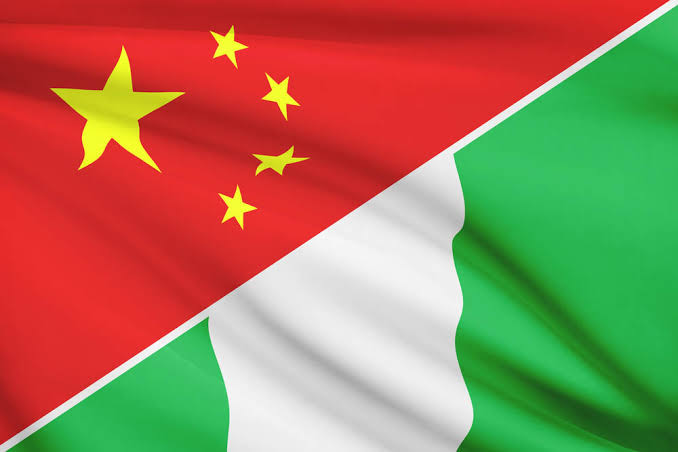
Nigeria’s exports to China rose 81 per cent year-on-year to $2.25 billion in the first half of 2026, as China’s zero-tariff policy for products from 53 African countries begins to open wider access for Nigerian goods.
China’s Consul General in Lagos, Yan Yuqing, disclosed the figures at the 2026 Nigeria International New Energy and Power Industry Expo and Nigeria International Lighting Expo Lunch Conference on Tuesday. She said total trade between Nigeria and China reached $17.4 billion during the six-month period, representing a 35 per cent increase from the same period in 2025.
According to Yan, the value of Chinese imports from Nigeria grew particularly quickly after the zero-tariff policy took effect. Monthly growth exceeded 40 per cent in both May and June, she said, with the policy fully implemented from May 1.
The policy provides zero-tariff treatment across all tariff lines for products from 53 African countries with which China maintains diplomatic relations. Nigeria is among the larger African economies covered by the arrangement, which is intended to expand African access to the Chinese market and deepen trade ties.
The latest figures point to a significant increase in the value of goods Nigeria is selling into China. But the numbers also highlight the scale of the opportunity still available to Nigerian exporters. China remains a major global consumer market, while Nigeria has substantial production capacity in areas including agriculture, energy and raw materials.
The strongest growth in May and June is particularly important because those were the first two full months after the new tariff arrangement took effect. However, the available figures do not establish that the tariff concession alone caused the entire 81 per cent increase. Nigeria-China trade was already expanding, and the Chinese Embassy had disclosed the same $2.25 billion first-half export figure in July.
For Nigerian businesses, the bigger question is whether improved access to China can translate into sustained export growth. Removing tariffs can lower the cost of entering the Chinese market, but exporters still have to meet demand, maintain consistent supply, satisfy product standards and manage logistics before the opportunity can become a lasting source of revenue.
The development also comes as China deepens its broader economic relationship with Nigeria. Yan said bilateral trade exceeded $28 billion in 2025, while Chinese direct investment in Nigeria reached $690 million, representing a 103 per cent increase from the previous year. She described Nigeria as China’s largest engineering contracting market in Africa and its second-largest trading partner on the continent.
For Nigeria, the significance of the latest export figures will ultimately depend on what is being exported and whether local businesses can move beyond supplying raw commodities to higher-value products. Greater access to the Chinese market could create opportunities for processors and manufacturers that are able to scale production and meet international standards.
The early numbers are encouraging, but the real test will come over the next several months. If Nigerian exporters can sustain the growth recorded after the tariff changes and expand the range of products sold to China, the policy could become a more meaningful opportunity for Nigeria to grow non-oil exports and earn more foreign exchange.