Saudi Arabia has temporarily shut its East-West oil pipeline after the key crude route came under a drone attack, raising fresh concerns about global oil supplies as disruptions to Middle Eastern energy infrastructure continue.
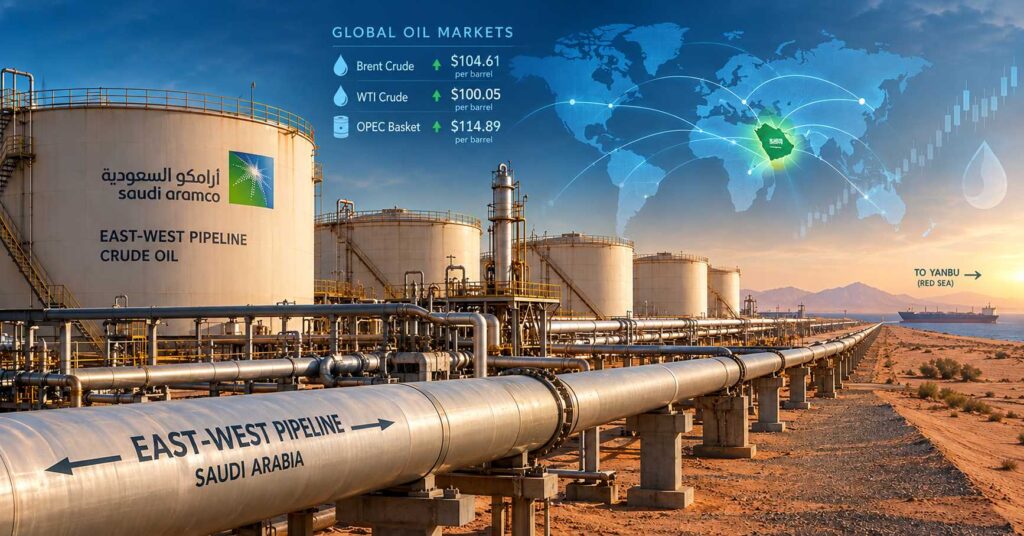
The 1,200-kilometre pipeline runs from Saudi Arabia’s oil-producing east to the Red Sea port of Yanbu, allowing the kingdom to move crude without relying on the Strait of Hormuz. Saudi authorities said the pipeline was closed as a precaution after several drones targeted areas in the Riyadh and Medina regions.
Saudi Arabia and Iraq said the drones originated from Iraq, where Iran-backed militias operate. The Saudi Foreign Ministry said the attacks caused injuries and material damage, while authorities began assessing the condition of the pipeline and related infrastructure. No group had immediately claimed responsibility.
The pipeline has become particularly important because disruptions to the Strait of Hormuz have forced Saudi Arabia to rely more heavily on alternative export routes. Reuters reported that the East-West system had recently been carrying between 4 million and 5 million barrels of crude per day, equivalent to roughly 4–5 per cent of global oil supply. Its maximum capacity is higher, at about 7 million barrels per day.
The shutdown therefore adds another layer of uncertainty to an already strained global oil market. Brent crude has moved above $100 per barrel as attacks on energy infrastructure and shipping routes in the region have raised concerns about how much crude and refined fuel can reach international markets.
The International Energy Agency warned on Friday that global oil supply could decline by 5.7 million barrels per day in 2026 as the conflict and disruptions across the Gulf continue. Saudi crude production has already fallen sharply, with the agency putting output at around 6 million barrels per day, its lowest level in more than three decades.
The latest pipeline disruption is also significant because another alternative route is coming under pressure. Iran-aligned Houthi forces have advanced in Yemen and taken control of strategic territory around the Bab el-Mandeb Strait, threatening a major maritime route linking the Red Sea with the Gulf of Aden.
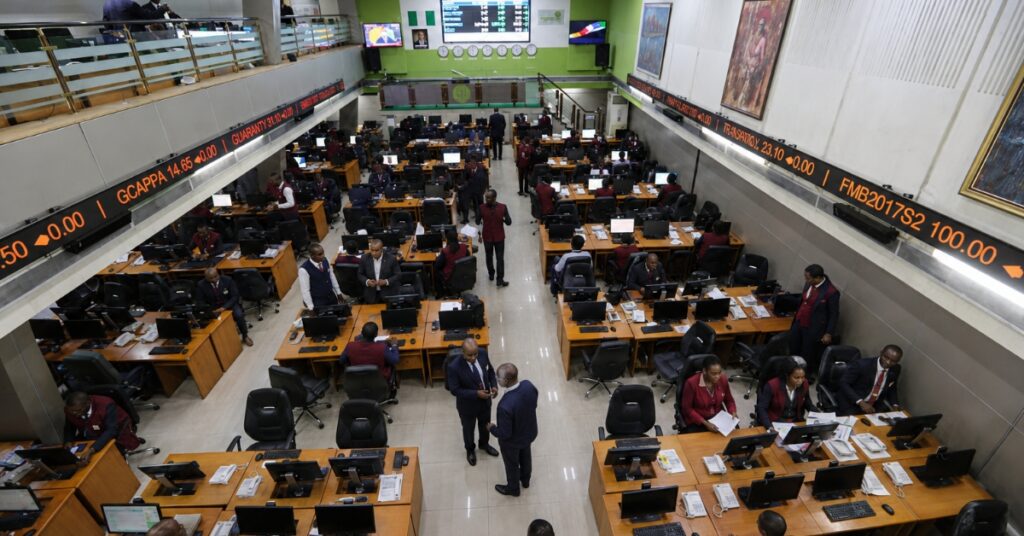
For Nigeria, higher global oil prices could have mixed consequences. Stronger crude prices can increase government and foreign-exchange earnings from oil exports, but they can also raise the cost of petroleum products and transportation, putting additional pressure on businesses that already face high operating costs.
The impact could extend beyond the energy sector. Higher fuel and logistics costs can feed into manufacturing, distribution, agriculture and retail prices, while prolonged disruption to global shipping could increase freight costs and complicate supply chains for businesses that depend on imported goods and raw materials.
Saudi authorities have not said how long the East-West pipeline will remain shut. The duration of the disruption, the extent of the damage and whether attacks on other energy infrastructure continue will determine how much pressure the latest development puts on global oil markets in the days ahead.