Oil prices were little changed on Thursday as traders assessed signs of recovering crude exports from the Middle East alongside uncertainty over US-Iran peace talks, keeping attention on how quickly global supply can return to normal.
Brent crude futures rose 12 cents, or 0.1 percent, to $98.15 a barrel by 0045 GMT, while US West Texas Intermediate crude fell 7 cents, or 0.1 percent, to $90.35. The movement came after oil prices gained on Wednesday and recorded a strong increase for September.
The market is balancing two opposing developments. On one side, crude exports from Gulf producers have been recovering as exporters use alternative routes and shipping arrangements to move more oil. On the other, uncertainty around the conflict and US-Iran negotiations continues to keep a risk premium in oil prices.
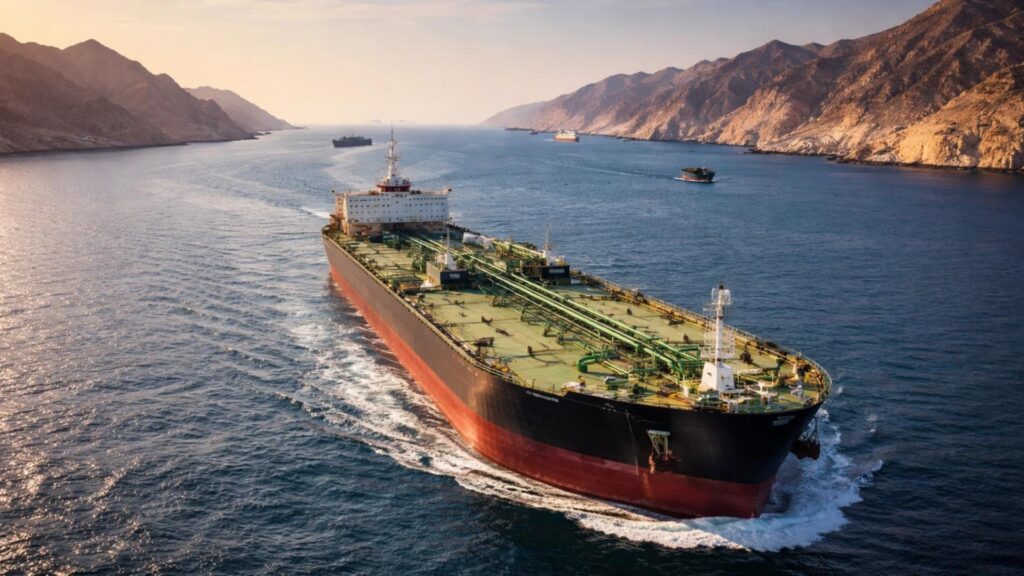
Data cited by market analysts showed Persian Gulf shipments had risen sharply in the week ended September 27. Kpler estimated crude shipments at about 12.5 million barrels per day, roughly one million barrels per day below the pre-conflict level.
The recovery in supply has not yet translated into a full return to normal market conditions. Financial Times reporting showed Gulf producers exported an average of about 15.5 million barrels per day in September, more than 80 percent of their pre-conflict average, while shipping through the Strait of Hormuz continues to face security risks.
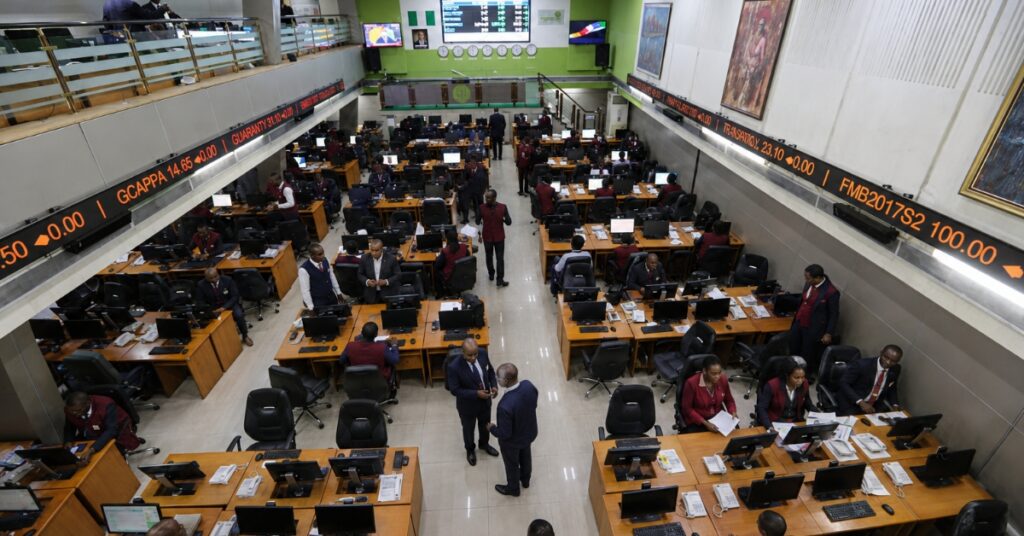
For Nigeria, the movement in global crude prices remains important because oil exports are a major source of foreign exchange and government revenue. A sustained period of prices around or above current levels could support government oil earnings, although the actual benefit will also depend on Nigeria’s production volumes, crude differentials and the country’s fiscal arrangements.
The supply outlook is therefore particularly important for Nigerian businesses and policymakers. Higher global prices can improve export earnings, but prolonged energy-market disruptions can also raise transportation, production and imported-input costs across economies.
The immediate focus for oil markets will remain on the progress of US-Iran discussions, the pace at which Gulf crude exports recover and whether security risks continue to restrict shipping through key routes.
For Nigeria, the direction of crude prices in the coming weeks will be closely watched alongside domestic production and refining developments as the country enters the final quarter of the year.