Brent crude oil settled at its highest level since May on Friday, October 16, as renewed concerns about energy supplies from the Middle East and Russia pushed prices higher, creating fresh uncertainty for oil-importing economies and businesses worldwide.
The international benchmark rose by $3.94, or 3.7 per cent, to settle at $109.86 a barrel, while US West Texas Intermediate crude gained 3.5 per cent to $101.41. Both benchmarks recorded their highest settlements in several months, according to Reuters.
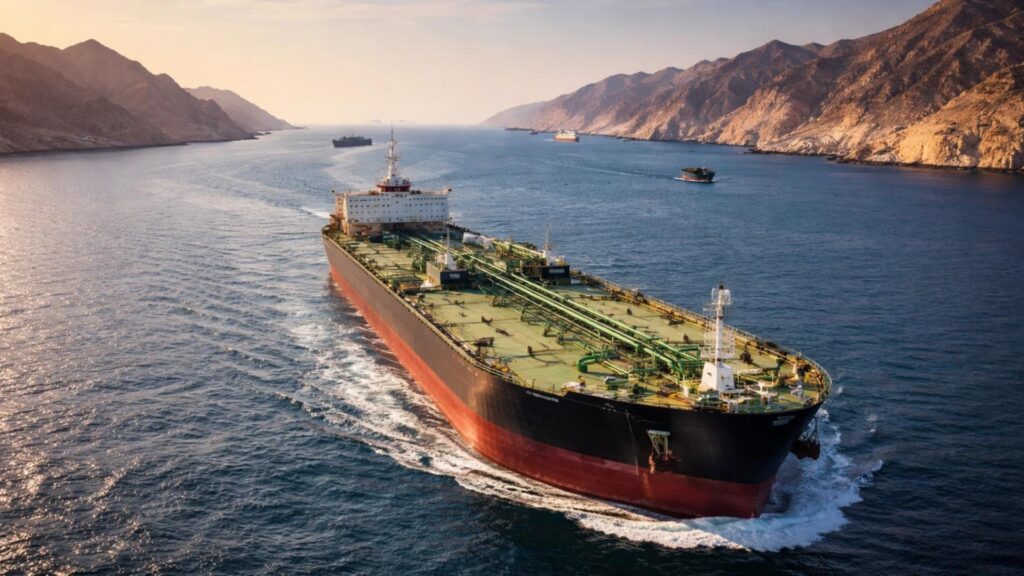
The rally reflects concerns that escalating geopolitical tensions could restrict the availability of crude oil and refined petroleum products. Attacks affecting energy infrastructure and uncertainty over Russian diesel supplies have added to market anxiety, while the Strait of Hormuz remains a critical risk point for international oil shipments. Reuters report
For Nigeria, the increase presents a complicated economic picture. As a crude oil producer, the country could benefit from stronger international prices through higher export earnings. But expensive oil can also increase the cost of petroleum products, transportation and electricity generation, placing additional pressure on businesses and households.
The extent of any benefit to Nigeria depends on more than the international benchmark. Production volumes, export performance, domestic crude requirements and the amount of revenue ultimately received by the government all influence how much the country gains from a price increase.
This means a sustained rally could improve the value of each barrel sold without necessarily delivering a proportionate improvement in public finances. If production falls short of expectations or other costs rise, the benefit may be smaller than the headline price suggests.
The global market is also responding to supply risks rather than simply stronger demand. Reuters reported that Russia’s Ryazan refinery suspended operations at a primary crude distillation unit following a drone attack, adding uncertainty to the availability of Russian refined products.
Efforts to increase supply have provided some counterweight. The International Energy Agency agreed to release more than 20 million barrels of fuel, while the United States announced a proposed exchange involving up to 17 million barrels of crude from its Strategic Petroleum Reserve. However, these measures have not eliminated concerns about further disruptions.
For Nigerian businesses, the more immediate concern is how prolonged volatility in global oil markets may affect operating expenses. Transport companies, manufacturers, distributors and small enterprises that depend on petrol or diesel for power generation can face higher costs when fuel prices rise.
Those pressures can spread beyond the energy sector. Higher delivery charges can increase distribution expenses, while businesses may pass some of their additional costs on to customers. Companies that cannot raise prices easily may instead face reduced margins.
Nigeria’s domestic fuel market does not respond mechanically to every movement in Brent crude. Retail prices are also influenced by refined-product prices, exchange rates, refining and replacement costs, logistics and pricing decisions by suppliers and marketers.
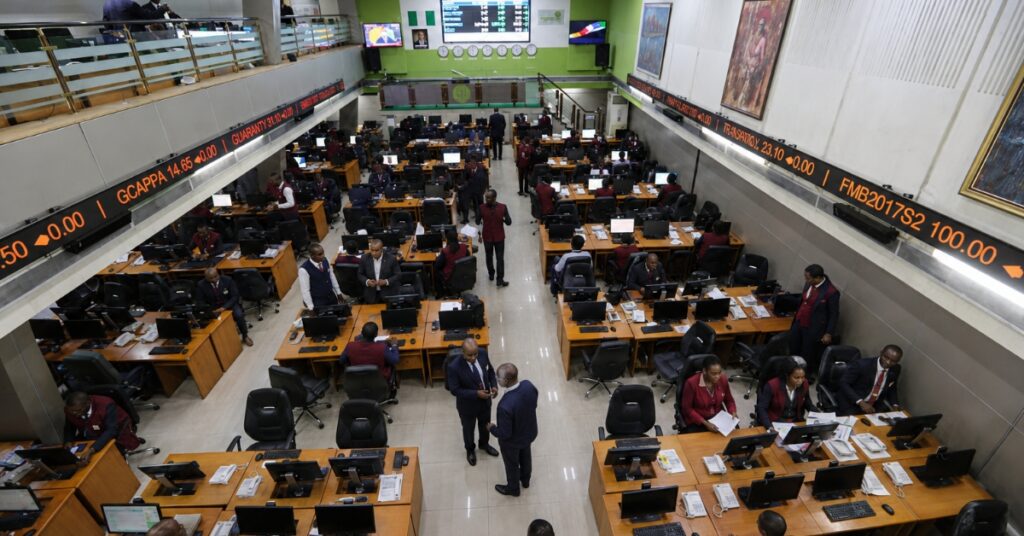
Nevertheless, the domestic market has already been under pressure. Nairametrics reported on October 16 that many filling stations in Lagos were selling petrol at around ₦1,380 to ₦1,400 per litre. The publication also reported that Nigeria’s annual energy inflation rate rose to 10.85 per cent in September, even as overall inflation eased to 14.63 per cent.
The figures underline why a decline in overall inflation does not necessarily mean that businesses and consumers are experiencing relief across every expense category. Energy costs can continue to rise even when the broader rate of price increases slows.
The key question for Nigeria is whether oil prices remain near current levels or retreat as supply conditions change. A brief spike may have a limited effect on longer-term business decisions, but a sustained period of expensive crude could make fuel costs and inflation more difficult to manage.
For investors and business owners, the oil-price rally is therefore both a potential revenue opportunity and a cost risk. Nigeria may earn more from each barrel exported, but the wider economic benefit will depend on production, public revenue management and the extent to which higher energy costs affect domestic activity.
Brent’s move towards $110 is a reminder that Nigeria’s position as an oil producer does not insulate its economy from global energy shocks. The real test will be whether the country can capture the benefits of higher crude prices while limiting the pressure that volatile energy costs place on businesses and consumers.