Electricity supply was disrupted in Edo, Delta, Ondo and Ekiti states after workers under the National Union of Electricity Employees (NUEE) shut down facilities operated by Benin Electricity Distribution Company (BEDC) on 19 October over disputes concerning salary adjustments and staff welfare.
The industrial action affected BEDC’s distribution operations across its franchise areas, disrupting electricity supply to customers and raising concerns for businesses that depend on regular power to maintain production, preserve goods and serve customers.
BEDC management appealed to the union on 20 October to suspend the strike and allow electricity distribution operations to resume. At a press briefing in Benin City, the company’s Chief Commercial Officer, Akinleye Ogunleye, said the shutdown had affected households, businesses, industries, hospitals and public institutions.
Ogunleye also said BEDC had lost more than ₦2 billion during the first two days of the industrial action. The figure was the company’s own estimate of its financial losses and had not been independently audited.
The dispute centres on employee remuneration and welfare, including adjustments linked to the national minimum wage and the harmonisation of salary structures. BEDC said management and union representatives had held several meetings, with their most recent meeting before the strike taking place on 7 October.
According to the company, a joint committee was working on the outstanding salary adjustments, while management planned to engage an independent consultant to review salary harmonisation. BEDC urged workers to allow operations to continue while negotiations proceeded.
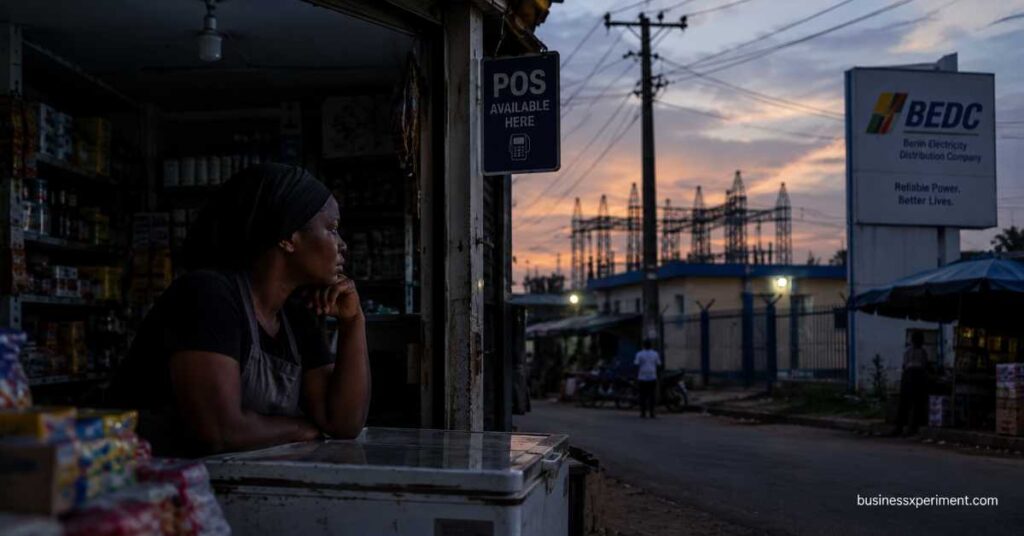
The disruption highlights the vulnerability of businesses to interruptions in electricity distribution. Small retailers, cold-storage operators, food processors, manufacturers and service providers may face additional costs when they have to rely on generators or other backup power sources. Businesses without adequate alternatives can also experience lost sales, delayed orders and spoiled perishable goods.
The financial impact will vary across sectors and locations. Businesses with reliable backup systems may be able to continue operating, but they can incur higher fuel and maintenance expenses. Smaller enterprises with limited working capital may find it more difficult to absorb the cost of an extended outage.
As of the latest reports reviewed for this article, BEDC had appealed for the strike to be suspended, but a confirmed resolution and full restoration of normal electricity supply had not been established. The immediate issues to watch are whether the union suspends the action, whether negotiations produce an agreement and how quickly distribution operations return to normal.