Gulf countries are accelerating investment in pipelines, ports and alternative trade routes as months of disruption around the Strait of Hormuz expose the risks of depending heavily on one of the world’s most important energy and shipping corridors.
The latest push is redirecting greater attention towards infrastructure that can move oil, goods and other cargo outside the Strait, which normally handles about a fifth of global oil flows.
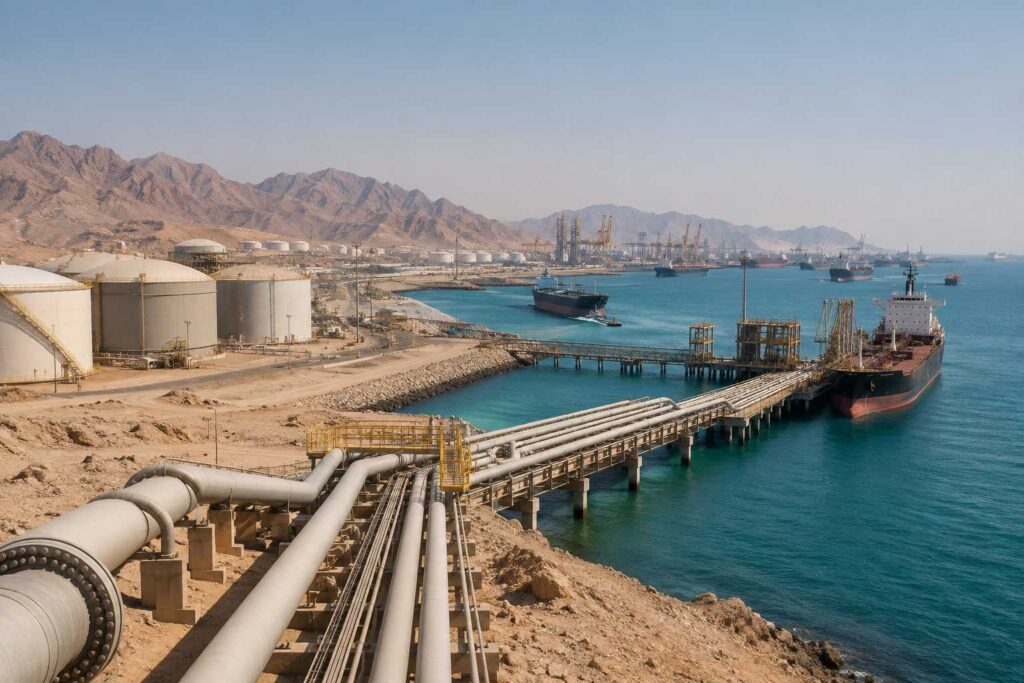
Saudi Arabia is increasing the strategic importance of its Red Sea infrastructure, while the United Arab Emirates is expanding the role of ports on its eastern coast, including Fujairah, as alternatives to routes that depend on Hormuz.
The disruption has also renewed interest in pipelines capable of moving crude oil directly to export terminals outside the Gulf. The UAE is accelerating a new pipeline project intended to increase the country’s ability to export oil through Fujairah and reduce its reliance on the Strait.
For Gulf governments, the immediate priority is keeping trade and energy exports moving. But the disruption is also changing how infrastructure investment is being viewed.
Projects that may previously have been assessed mainly on commercial returns are increasingly being treated as strategic investments that can protect economies when a major transport route becomes unreliable.
Ports have become particularly important in that shift. Governments are directing more attention to facilities capable of handling cargo diverted from traditional routes, while investments in storage, inland logistics and transport links are becoming part of broader efforts to build more resilient supply chains.
The impact extends beyond oil. Disruption to shipping has affected refineries, industrial operations, tourism and wider economic activity across parts of the Gulf, increasing the pressure on governments to reduce dependence on a single maritime chokepoint.
The longer-term response could therefore reshape infrastructure spending in the region. Greater investment in Red Sea ports, eastern UAE terminals, pipelines and regional rail links could create alternative routes that remain valuable even after the immediate disruption eases.
For businesses and investors, the lesson is becoming clearer: geopolitical risk is no longer only a security concern. It is increasingly influencing where countries build infrastructure, how companies plan supply chains and which transport routes become strategic assets.