Nigeria’s total public debt rose to ₦166.79 trillion as of June 30, 2026, up ₦7.44 trillion from the end of March, as domestic obligations continued to account for the larger share of the country’s debt portfolio.
The latest figures released by the Debt Management Office (DMO) show that total public debt increased by 4.7 per cent from ₦159.35 trillion recorded at the end of the first quarter. The June figure was also ₦14.39 trillion higher than the ₦152.40 trillion recorded a year earlier.
Domestic debt stood at ₦91.59 trillion at the end of June, representing 54.91 per cent of the total, while external debt was ₦75.20 trillion, or 45.09 per cent. Compared with June 2025, domestic debt increased by ₦11.04 trillion, while external debt rose by ₦3.35 trillion.
The Federal Government accounted for most of the country’s debt, with obligations of ₦152.77 trillion. This comprised ₦86.99 trillion in domestic debt and ₦65.77 trillion in external debt, while the 36 states and the Federal Capital Territory accounted for the remaining ₦14.01 trillion.
Within the Federal Government’s domestic debt portfolio, FGN bonds remained the largest component at ₦64.84 trillion, accounting for 74.53 per cent of the ₦87 trillion domestic debt stock. Nigerian Treasury Bills followed with ₦19.48 trillion, representing 22.39 per cent.
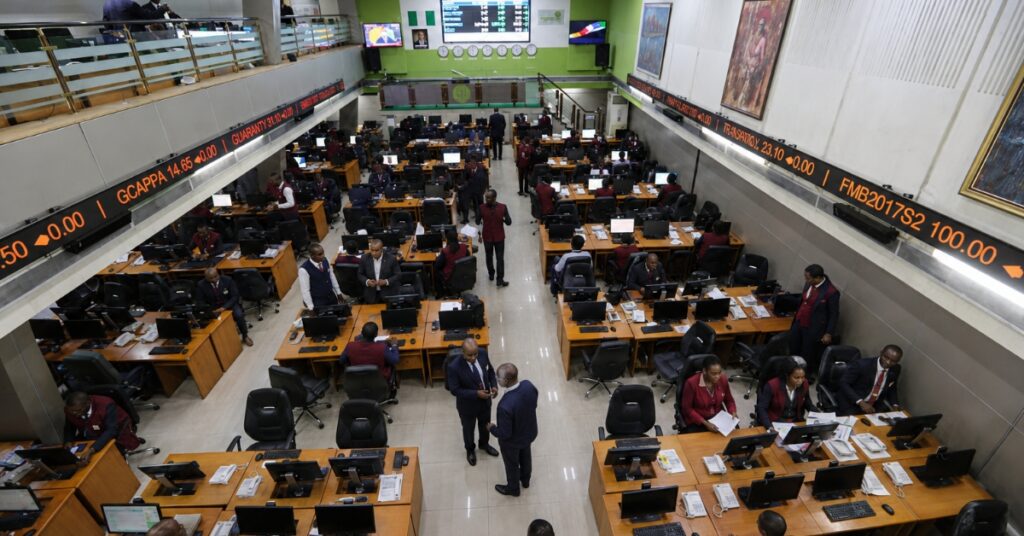
The latest numbers show that Nigeria’s borrowing structure remains heavily tied to the domestic financial market. Government securities such as bonds and Treasury Bills provide funding for the government while also representing investment instruments for banks, pension funds, asset managers and other investors.
The increase in the debt stock, however, should not be interpreted entirely as fresh borrowing. Changes in the naira exchange rate can also affect the naira value of foreign-currency debt when the DMO converts it into local currency. For the June 30 calculation, the DMO used the CBN official exchange rate of about ₦1,379 to the dollar.
In dollar terms, Nigeria’s total public debt stood at $120.93 billion at the end of June, compared with $99.66 billion a year earlier. The difference between the naira and dollar movements highlights why changes in exchange rates need to be considered when assessing the debt figures.
For businesses, the growing domestic component of government debt is particularly relevant because the government and private sector operate within the same financial system. Strong demand for government securities can influence where financial institutions and investors allocate funds, while the cost of government borrowing can also affect broader interest-rate conditions.
The DMO’s latest release provides a snapshot of Nigeria’s financing position as the government balances its spending requirements with debt management. The next debt and debt-service figures will be important in showing how the government’s borrowing needs and financing costs evolve through the second half of the year.