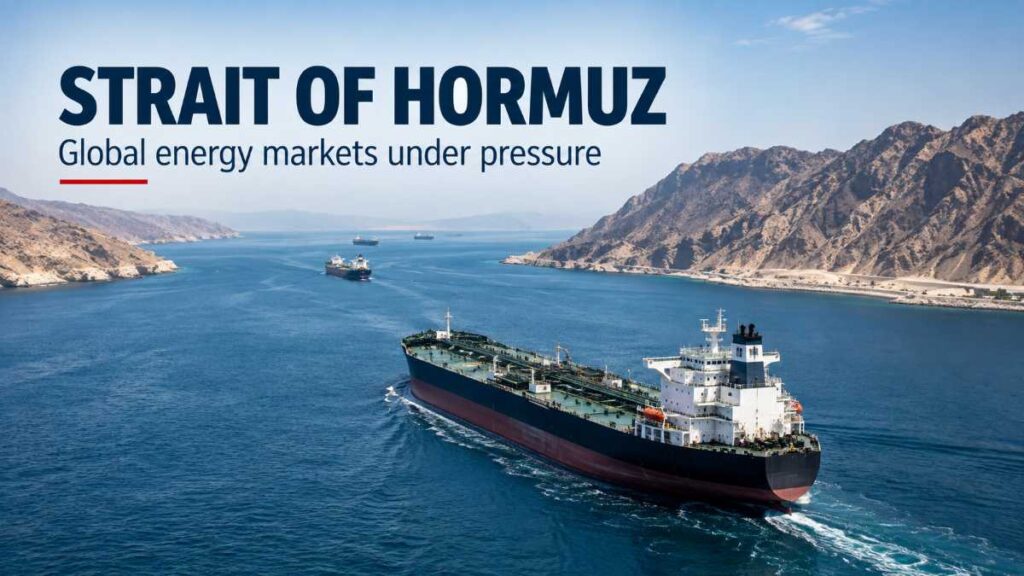
Uncertainty over the future of the Strait of Hormuz is keeping global energy markets on edge as efforts to restore normal commercial shipping face another setback, while oil continues to move through the strategic waterway at reduced volumes and higher cost.
The latest development came after the United States rejected an Iranian proposal that would have involved reopening the Strait to commercial shipping within seven days as part of a wider effort to end the conflict. Iran has continued to argue for a diplomatic solution, leaving the timing of any sustained reopening uncertain.
The uncertainty matters because the Strait is a major route for Middle Eastern energy exports. Shipping data showed that only two commodity vessels crossed the waterway on September 21, compared with 10 the previous day, although vessels operating with their tracking systems switched off may not have been captured.
Oil has nevertheless continued to leave the Gulf. Preliminary Kpler data reported by Reuters showed that about 33.7 million barrels of crude had moved through the Strait in the week beginning September 20, broadly in line with the previous week’s flows. The shipments were carried by 19 tankers, most of them very large crude carriers.
The problem for the market is therefore not simply whether oil can physically move through the Strait. Producers and traders are also having to deal with higher shipping costs, limited tanker availability and the additional risks associated with moving cargo through a conflict zone.
One workaround has been ship-to-ship transfers in the Gulf of Oman, allowing some producers to move crude from vessels that have navigated the Strait onto other tankers outside the waterway. Reuters reported that such transfers had reached about 2.5 million barrels per day in September, up from 1.4 million barrels per day in August, but the system has increased transportation costs and placed additional pressure on the tanker fleet.
The disruption has kept crude prices elevated. Brent futures settled at $104.32 a barrel on September 25, after falling about 2.1% as markets responded to renewed hopes for a diplomatic resolution. The decline illustrates how quickly prices have been responding to changes in expectations about the conflict and the Strait’s future.
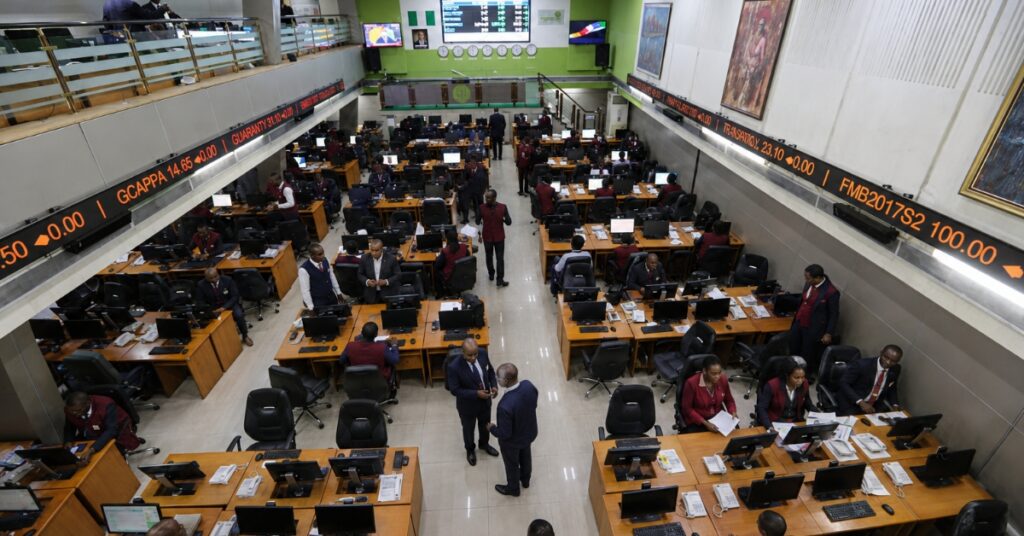
The effects are also reaching Nigeria. Rising international crude prices have contributed to higher petrol and diesel prices in the country, despite the Dangote refinery operating at high utilisation. Reuters reported that petrol prices had reached around ₦1,400 per litre in Lagos and Abuja, with diesel above ₦2,000 per litre, illustrating how international crude and energy-market conditions continue to influence Nigeria’s domestic fuel market.
For businesses, the Strait’s uncertainty extends beyond the price of crude. Higher freight and insurance costs can raise the cost of transporting energy and other goods, while prolonged disruption can complicate supply planning for manufacturers, airlines, logistics companies and other energy-intensive businesses.
The immediate outlook therefore depends less on a single oil-price move than on whether shipping through the Strait can return to something closer to normal. Until there is greater certainty around security and commercial access, global energy markets are likely to remain sensitive to developments in the waterway and the wider Middle East.