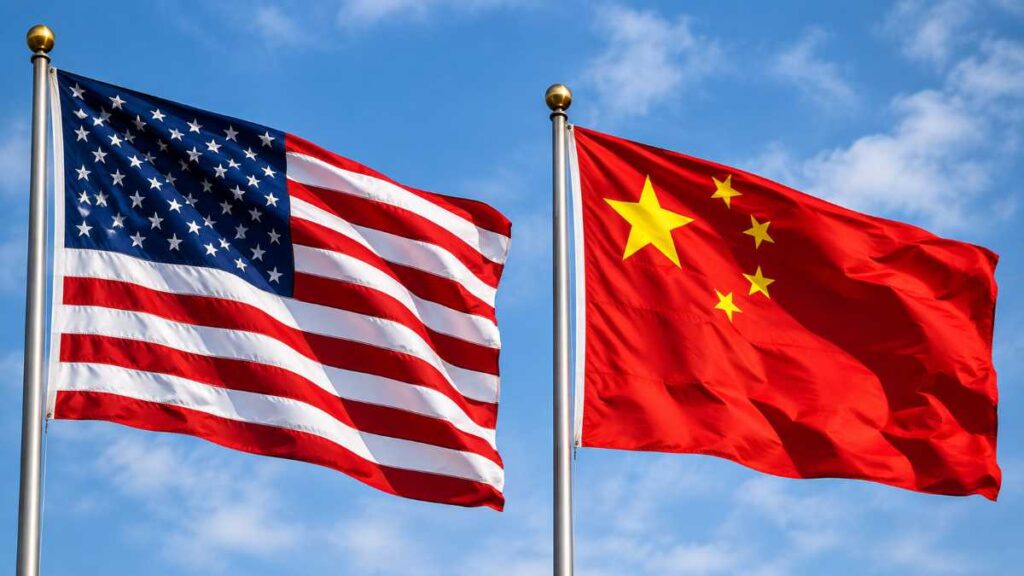
The United States and China have agreed to more favourable tariff treatment for $30 billion of non-sensitive goods traded in each direction and launched a new dialogue on artificial intelligence, providing businesses with a temporary easing of trade tensions between the world’s two largest economies.
The agreements followed Chinese President Xi Jinping’s state visit to Washington and his meeting with US President Donald Trump, which ended on September 25. The two governments also extended their existing trade truce by two months, giving negotiators additional time to work towards a broader agreement.
The tariff arrangement covers selected products rather than representing a broad removal of US-China tariffs. US exports receiving favourable treatment include agricultural products, fish and seafood, logs and wood products, cosmetics and medical devices, while selected Chinese exports include small appliances, toys and decorations.
The two countries also operationalised the US-China Board of Trade, which will provide a formal mechanism for addressing bilateral trade issues. A working group focused on agricultural market-access barriers has also been established.
The truce extension is significant because it gives businesses more time to plan around tariff conditions that have disrupted trade between the two economies. The current pause, which had been due to expire on November 10, has been extended by two months while negotiations continue.
Technology has become a second major area of engagement. Washington and Beijing agreed to establish a bilateral dialogue on the risks and benefits of advanced artificial intelligence, with another round of discussions scheduled for November. They will also create a communication channel for incidents involving the technology.
The inclusion of AI alongside tariffs reflects the increasingly close connection between trade policy and technology competition. Both countries are trying to manage disagreements over advanced technology while maintaining their ability to develop strategic AI capabilities. The White House said the two sides would refer to applicable emerging technologies as “super intelligence” in their new dialogue.
For companies outside the US and China, the developments could affect the trading environment through supply chains, commodity demand and sourcing decisions. Businesses that depend on Chinese manufacturing or US agricultural, energy and technology markets will continue to monitor whether the temporary tariff arrangements develop into a wider agreement.
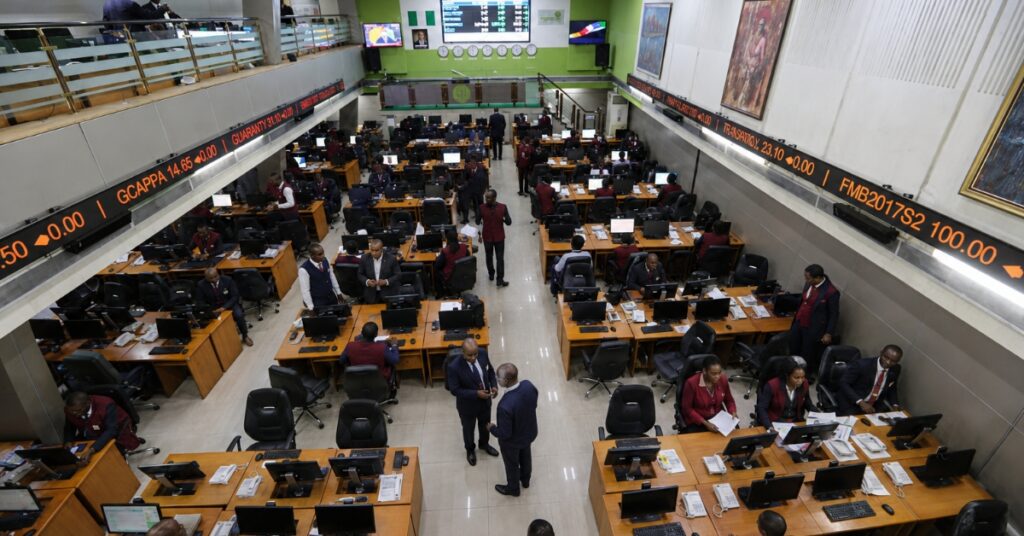
The developments also matter for African economies, including Nigeria, because changes in trade flows between the world’s two largest economies can influence global commodity markets, shipping patterns and the competitive environment for exporters and manufacturers. However, the immediate agreement covers specific US-China trade flows rather than creating new tariff preferences for African exporters.
For now, the agreement represents a limited easing rather than a resolution of the broader US-China trade relationship. The extended truce, the new trade mechanisms and the planned AI dialogue give both sides additional time to negotiate, while businesses continue to operate under a trade framework that remains subject to further changes.