Oil prices climbed on Wednesday, October 28, as escalating fighting in Yemen and reports of an attack targeting a major Saudi Arabian refinery renewed concerns about disruptions to global crude supplies.
Brent crude futures rose by $1.81, or 1.6 per cent, to $115.69 per barrel, while US West Texas Intermediate crude gained $2.52, or 2.5 per cent, to $102.42, according to Reuters market reporting at 14:42 GMT.
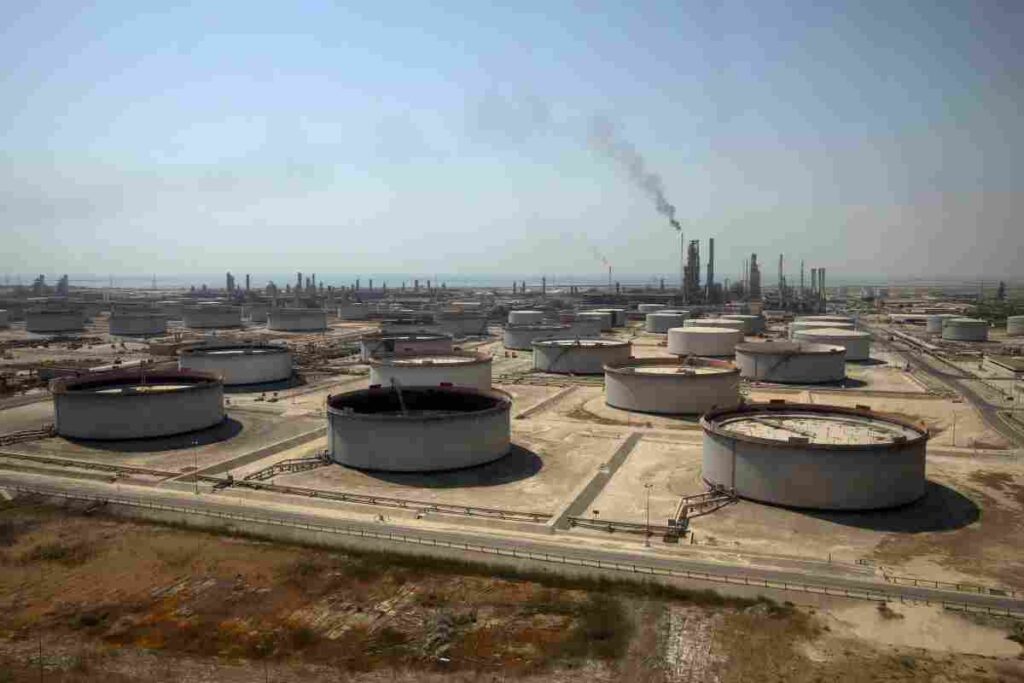
The increase followed a claim by Yemen’s Iran-aligned Houthi group that it had struck Saudi Arabia’s largest oil refinery with a missile on Tuesday. Saudi authorities had not immediately confirmed the reported strike on the facility, which has a processing capacity of 550,000 barrels per day.
The security situation also deteriorated in Yemen on Wednesday, with government officials reporting a Houthi attack on Aden airport. The developments added to concerns that the wider conflict involving Iran and its regional opponents could threaten energy infrastructure and transport routes across the Middle East.
Oil markets have been particularly sensitive to the possibility of further military escalation because the region is central to global crude production and exports. The prospect of supply disruptions can push prices higher even before a reduction in actual output is confirmed, as traders factor potential shortages into their expectations.
US inventory data also supported prices. The US Energy Information Administration reported that commercial crude oil inventories fell by 1.9 million barrels to 410.6 million barrels in the week ended October 23, compared with analysts’ expectations in a Reuters poll for a 15,000-barrel increase. Oil futures held on to their gains following the report.
However, the direction of prices will depend partly on whether the conflict intensifies or diplomatic efforts reduce the risk of further attacks. Traders are also watching the next OPEC+ meeting, where producers are expected to maintain their December output targets, according to people familiar with the discussions cited by Reuters.
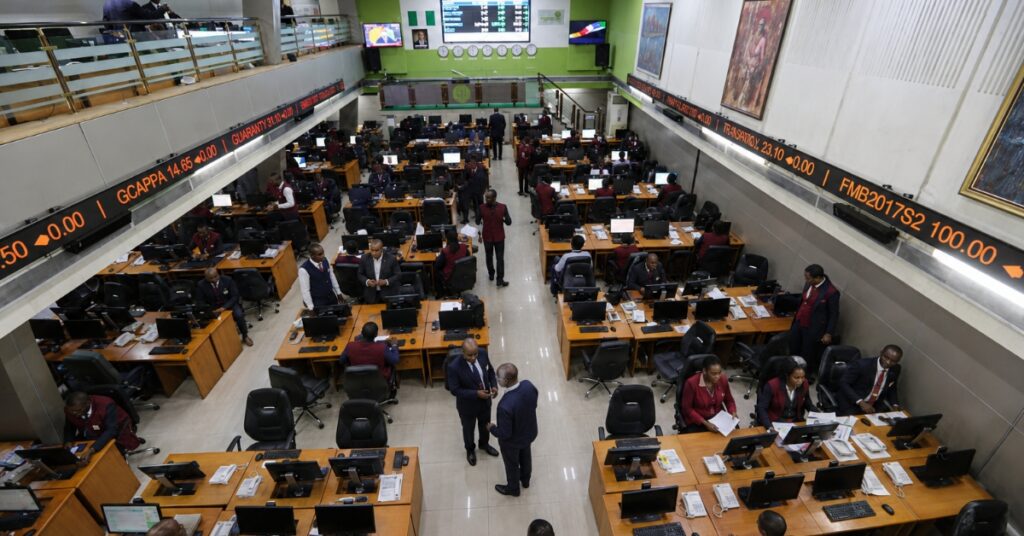
For Nigeria, higher crude prices could improve potential export earnings, but the benefit to government revenue depends on factors including domestic production, export volumes and the cost of producing oil. Higher international prices can also increase pressure on fuel costs, with implications for transport, businesses and inflation.
The latest rally therefore presents both an opportunity and a risk for Nigeria’s oil-dependent economy. Whether higher prices translate into stronger public revenue will depend not just on the global benchmark, but also on how much crude the country produces and sells while the supply outlook remains uncertain.